Synapse – Neurophysiology Suite
Used in 660 published studies →
Whether your research is simple or sophisticated, manage everything on one platform with TDT’s Synapse software.
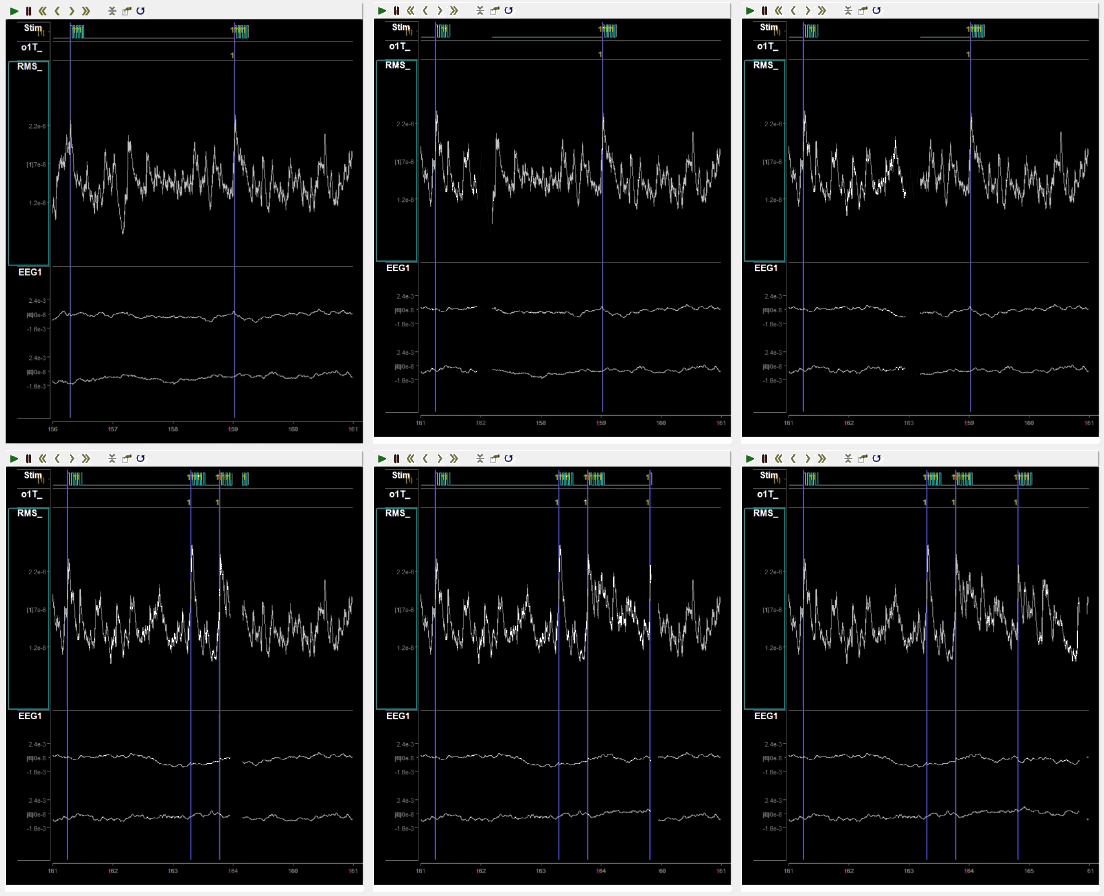
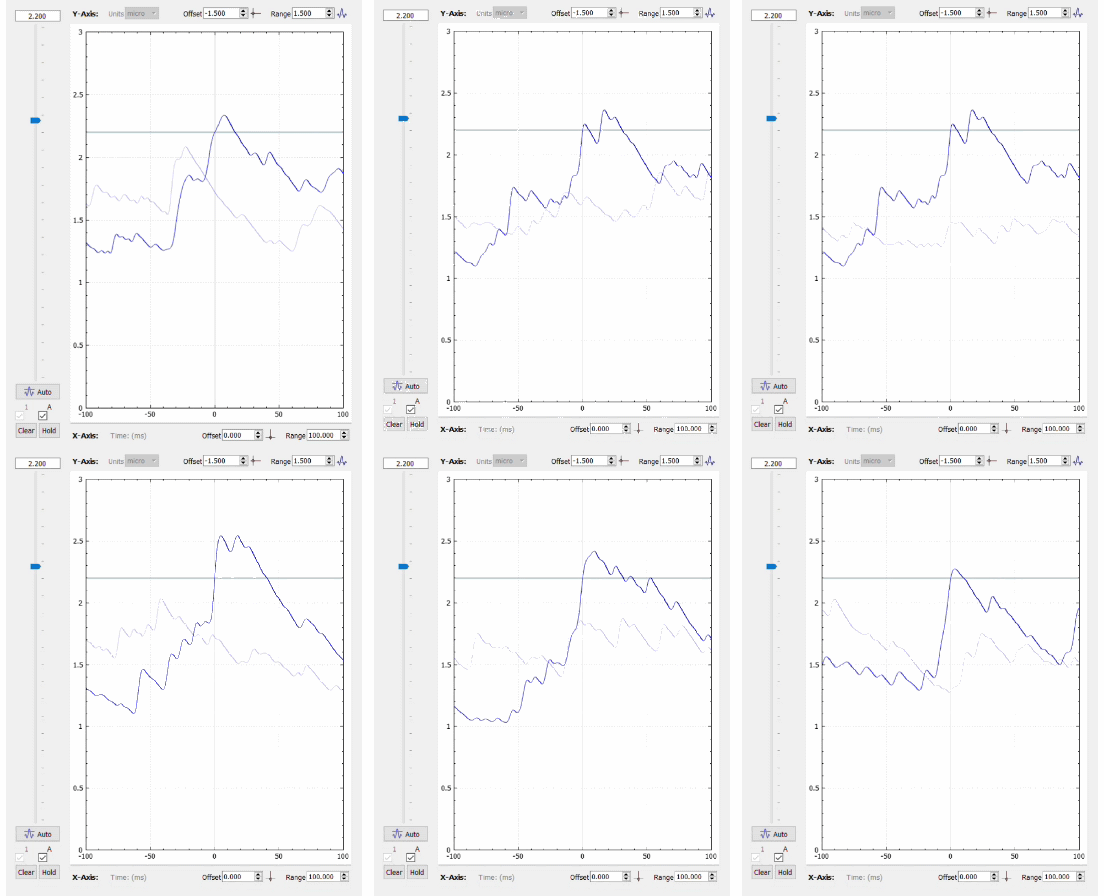
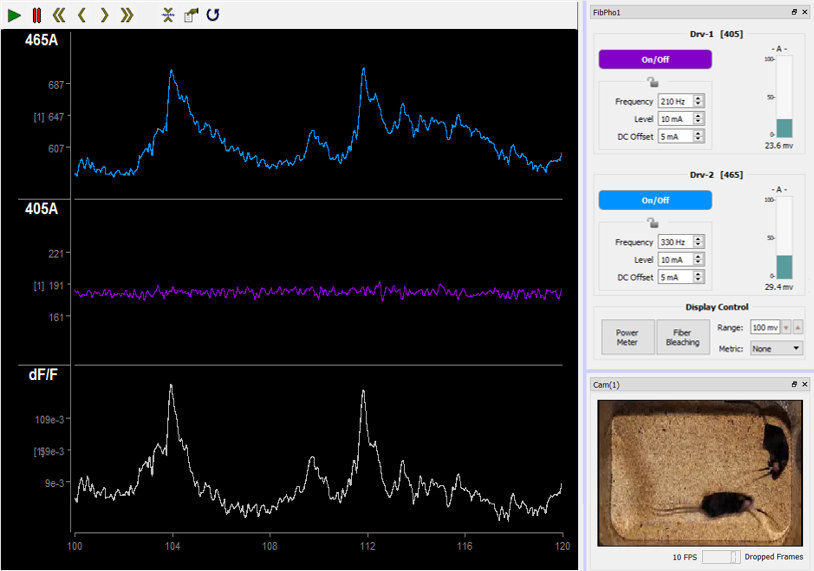
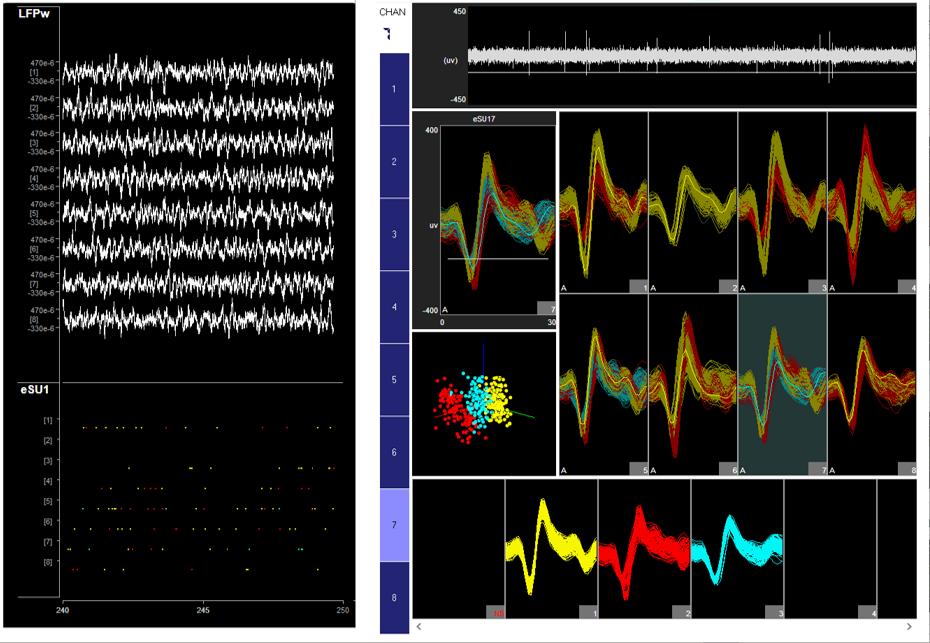
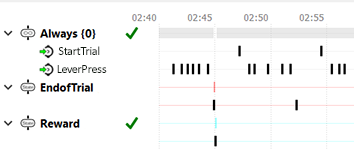
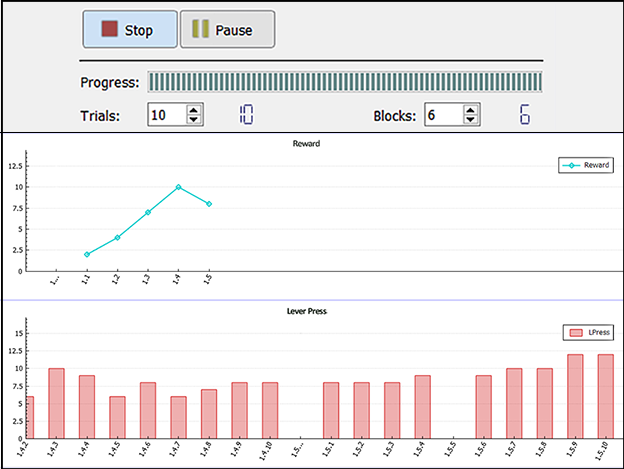
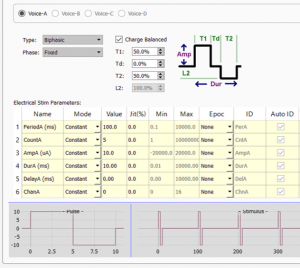
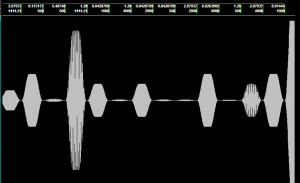
The Synapse software platform provides a fully integrated approach for your neuroscience research. Design experiments for data collection, processing, and stimulus presentation. Synapse also offers streamlined tools for neural recordings, such as filters, spike sorting, and detection of evoked responses – in addition to calcium imaging (Fiber Photometry) and behavioral control. Signal presentation for optogenetics, auditory, and electrical stimulation is all supported. This includes timers and triggers that can be implemented for real-time closed-loop control.
Synapse provides everything you need to perform your research, and with TDT’s lifetime technical support you can call on us to make sure your research design is implemented to meet your needs.
Research Uses
Product Specs
Resources
Publications
Publications
660 published studies used the Synapse. The newest:
eNeuro · Nov 2026
Incentive-driven instrumental actions depend on intact astrocytic signalling in nucleus accumbens core (opens in a new tab)
Abstract
Astrocytes in the nucleus accumbens (NAC) core have been observed to undergo phenotypic changes associated with drug-seeking behaviour in both humans and animals. However, the role of NAC core astrocytes in non-drug-related instrumental behaviour remains poorly understood. To address this, we chemogenetically activated hM4Di receptors selectively expressed on NAC core astrocytes in male and female rats during food-motivated decision-making tasks. In Experiment 1, rats were first trained to associate two auditory stimuli with two distinct food outcomes (pellets and sucrose), then to press left and right levers for those same outcomes. All training was conducted drug-free, and rats then received intraperitoneal (i.p) injections of either vehicle or Deschloroclozapine (DCZ) prior to test. Disrupting astrocytic signalling left instrumental choice intact when it was guided by cues signalling the sensory-specific properties of each outcome, as tested in specific Pavlovian instrumental transfer and outcome-selective reinstatement, but suppressed responding in an outcome devaluation test. In Experiment 2, a single stimulus and single lever were separately paired with distinct food outcomes, then presented together on test. Control animals demonstrated a general PIT effect, elevating responding during stimulus presentations, and this was prevented by Gi activation on NAC core astrocytes. Immunohistochemistry revealed increased neuronal activity following hM4Di activation in astrocytes. Together, these findings suggest that intact signalling in NAC core astrocytes is necessary for instrumental actions that depend on general arousal or affective processes, but not for actions guided by sensory-specific outcome expectations.Significance Statement Astrocyte dysfunction in the nucleus accumbens (NAC) has been implicated in several forms of compulsion in humans, yet preclinical work has focussed almost exclusively on drug-taking and seeking. The role of NAC core astrocytes on responding for non-drug outcomes is therefore unclear. Here, using food outcomes, we show that agonising Gi receptors on astrocytes in NAC core selectively impairs actions driven by general motivational states but spares those guided by specific outcome expectations. These findings suggest that NAC core astrocytes play a critical role in invigorating behaviour, extending their involvement beyond drug-seeking in animals and highlighting their potential relevance to compulsive behaviour more generally.
Scientific Reports · Nov 2026
Ultra-micro electrodes support low-current amplitude discrimination in intracortical microstimulation (opens in a new tab)
Abstract
Abstract Restoring somatosensory feedback is essential for achieving natural, embodied control of prosthetic limbs. Intracortical microstimulation (ICMS) of the somatosensory cortex can provide artificial touch by activating cortical neurons directly. Here, we systematically investigate how electrode contact size influences amplitude discrimination performance during ICMS. Six rats were chronically implanted with custom multielectrode shanks in the somatosensory cortex. Over twelve weeks, behavioral just-noticeable differences (JNDs) were quantified across eight electrode diameters (5–50 µm) using an adaptive discrimination paradigm. Discrimination thresholds were significantly lower for 5 µm and 10 µm sites than for larger contacts because these electrodes operated at lower reference stimulation amplitudes within their established charge injection safety limits. Weber fractions remained stable across electrode sizes, demonstrating proportional scaling of perceptual sensitivity with stimulus intensity. We used a biophysically realistic modeling framework to identify the underlying neural correlates of ICMS-induced amplitude discrimination. Both the magnitude of neural responses (changes in the number of activated neurons and the total population spike count) and the population mean spike count contributed to perceptual discrimination. These findings indicate that ultra-microelectrodes enable ICMS at substantially lower reference amplitudes, producing lower absolute discrimination thresholds while preserving Weber-like proportional scaling. Ultra-microelectrodes therefore preserve established psychophysical scaling while supporting low-threshold stimulation within their safe charge injection limits, enabling high-density sensory neuroprostheses.
The Journal of Nutrition · Nov 2026
Protein restriction amplifies nucleus accumbens dopamine responses to protein-rich food during operant feeding in male mice (opens in a new tab)
Abstract
Background Animals strongly defend protein intake, but how protein status shapes moment-to-moment reward signalling in mesolimbic circuits remains unclear, particularly when the effort required to obtain food varies. Objective We tested whether dietary protein restriction altered nucleus accumbens (NAc) core dopamine signalling when mice worked for food of differing nutritional value in the home cage. Methods Under surgical anaesthesia, male C57BL/6 mice (n=12; ∼12 weeks old at diet initiation) were injected in the NAc core with a virus expressing the fluorescent dopamine sensor GRABDA and implanted with fibre-optic cannulas. In food-access tasks, nose pokes delivered either chow (protein-containing) or sucrose pellets. Across sessions, pellets required either one nose poke (FixedRatio1) or an increasing number (ProgRatio). Fibre photometry measured dopamine release for both pellet types and schedules during three dietary phases: non-restricted diet (NR1; 18% protein), protein-restricted diet (PR; 4%), and restored non-restricted diet (NR2), with 1 week of adaptation between phases. Behavioural and photometry data were analysed using repeated-measures ANOVA. Results Home-cage food intake remained stable, but bodyweight gain fell markedly during PR and partially recovered in NR2 (+10.1% NR1 vs. +1.2% PR vs. +6.0% NR2, p .05). During ProgRatio, dopamine responses at pellet delivery and retrieval did not differ between pellet types in any phase (all ps>.05). Conclusions Protein restriction did not globally amplify reward-related behaviour or dopamine signalling. Instead, it selectively biased NAc dopamine according to the animal's nutritional status, nutrient context, and task demands.
How to cite the Synapse Neurophysiology Suite
Name the model in your Methods so readers can find the equipment you used, for example:
Synapse Neurophysiology Suite (Tucker-Davis Technologies, Alachua, FL, USA)